Redcliffelabs11
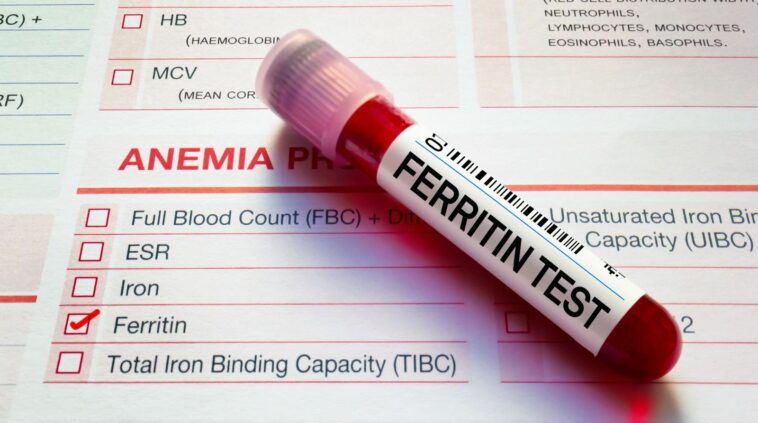
Iron is an essential mineral that plays a critical role in producing red blood cells and transporting oxygen throughout the body. However, imbalances in iron levels can lead to serious health issues. The ferritin test is a simple blood test that measures the amount of ferritin, a protein that stores iron, in your body. This test is a crucial tool for diagnosing conditions related to iron deficiency or iron overload. In this article, we’ll explore what the ferritin test is, why it’s important, how it’s performed, and what the results mean for your health.
What is a Ferritin Test?
The ferritin test measures the level of ferritin in your blood. Ferritin is a protein that stores iron and releases it in a controlled manner when your body needs it. Since ferritin levels correlate with the total amount of iron stored in your body, this test is often used to assess iron status. It helps diagnose conditions like iron deficiency anemia, hemochromatosis (iron overload), and other disorders related to iron metabolism.
Why is the Ferritin Test Important?
The ferritin test is a key diagnostic tool because it provides valuable information about your body’s iron stores. Here’s why it’s important:
-
Detects Iron Deficiency: Low ferritin levels indicate depleted iron stores, which can lead to iron deficiency anemia—a condition characterized by fatigue, weakness, and pale skin.
-
Identifies Iron Overload: High ferritin levels may suggest iron overload, a condition that can damage organs like the liver, heart, and pancreas.
-
Monitors Chronic Conditions: The test is used to monitor iron levels in people with chronic diseases, such as kidney disease or inflammatory disorders.
-
Guides Treatment: The results help healthcare providers recommend appropriate treatments, such as iron supplements or dietary changes.
When is a Ferritin Test Recommended?
Your doctor may recommend a ferritin test if you have symptoms of iron deficiency or iron overload, or if you have conditions that affect iron levels. Common reasons for the test include:
-
Symptoms of Iron Deficiency:
-
Fatigue or weakness
-
Pale skin
-
Shortness of breath
-
Dizziness or lightheadedness
-
Brittle nails or hair loss
-
-
Symptoms of Iron Overload:
-
Joint pain
-
Abdominal pain
-
Fatigue
-
Unexplained weight loss
-
Darkening of the skin
-
-
Monitoring Chronic Conditions:
-
Anemia
-
Kidney disease
-
Liver disease
-
Inflammatory disorders (e.g., rheumatoid arthritis)
-
-
Routine Checkups:
-
For individuals at risk of iron imbalances, such as pregnant women, vegetarians, or people with a family history of hemochromatosis.
-
How is the Ferritin Test Performed?
The ferritin test is a simple blood test that involves the following steps:
-
Preparation: No special preparation is usually required, but your doctor may ask you to fast for 8–12 hours before the test.
-
Blood Sample: A healthcare professional will draw a small amount of blood from a vein in your arm.
-
Analysis: The blood sample is sent to a laboratory, where ferritin levels are measured.
Interpreting Ferritin Test Results
Ferritin levels are measured in nanograms per milliliter (ng/mL). The normal range varies depending on age, gender, and laboratory standards, but general guidelines are as follows:
-
Adult Men: 24–336 ng/mL
-
Adult Women: 11–307 ng/mL
Low Ferritin Levels:
-
Indicate iron deficiency, which can lead to anemia.
-
Common causes include poor diet, blood loss (e.g., menstruation or gastrointestinal bleeding), or increased iron needs (e.g., pregnancy).
High Ferritin Levels:
-
May indicate iron overload (hemochromatosis), inflammation, liver disease, or certain infections.
-
High levels can also result from excessive iron intake, alcohol abuse, or chronic diseases.
What to Do If Your Ferritin Levels Are Abnormal
If your ferritin test results are outside the normal range, your doctor will recommend further steps based on the underlying cause:
-
For Low Ferritin Levels:
-
Iron Supplements: Your doctor may prescribe iron supplements to replenish your iron stores.
-
Dietary Changes: Increase your intake of iron-rich foods, such as red meat, poultry, fish, beans, lentils, and leafy green vegetables.
-
Address Underlying Causes: If blood loss is the cause, further investigation may be needed to identify and treat the source.
-
-
For High Ferritin Levels:
-
Phlebotomy: Regular blood removal may be recommended for conditions like hemochromatosis.
-
Medications: Chelation therapy can help remove excess iron from the body.
-
Lifestyle Changes: Reduce alcohol consumption and avoid iron supplements unless prescribed.
-
Conclusion
The ferritin test is a vital tool for assessing your body’s iron stores and diagnosing conditions related to iron deficiency or overload. Whether you’re experiencing symptoms of anemia, monitoring a chronic condition, or simply ensuring your iron levels are balanced, this test provides valuable insights into your health. If you suspect an iron imbalance, consult your healthcare provider to determine if a ferritin test is right for you. Early detection and treatment can help you maintain optimal health and prevent complications.
This post was created with our nice and easy submission form. Create your post!