Prachi
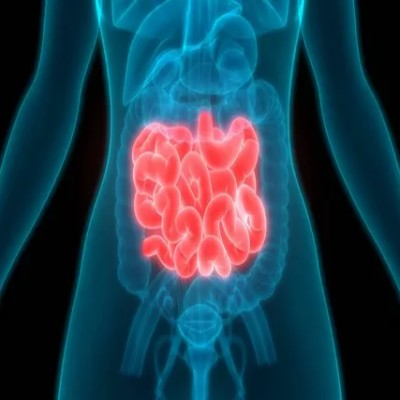
Causes of Carcinoid Syndrome Diarrhea Treatment
Carcinoid syndrome occurs when carcinoid tumors located in the gastrointestinal tract or lungs release high levels of serotonin and other substances into the bloodstream. Serotonin is normally broken down in the liver, but in carcinoid syndrome the liver cannot keep up, allowing serotonin and other substances to circulate throughout the body. This excess serotonin is what causes the characteristic symptoms of carcinoid syndrome, including severe diarrhea.
Carcinoid Syndrome Diarrhea Treatment is most commonly linked to carcinoid syndrome develop from neuroendocrine (carcinoid) cells located in the appendix, small intestine, and rectum. More rarely, lung or thymus neuroendocrine tumors can also produce carcinoid syndrome. As the tumors grow and spread (metastasize), they may release increasingly large amounts of serotonin and other substances.
Medication Options for Controlling Diarrhea
Several medications have proven effective in reducing diarrhea and controlling bowel movements in carcinoid syndrome patients. Somatostatin analogues, such as octreotide and lanreotide, are often the first-line treatment option due to their ability to inhibit the release of serotonin from neuroendocrine tumors. Injections of octreotide can significantly decrease the number of daily bowel movements for many patients.
For diarrhea that remains poorly controlled by somatostatin analogues alone, additional medications may provide added relief. Serotonin receptor antagonists like telotristat help limit the effects of excess serotonin in the intestine. As serotonin receptor blockers, they help “absorb” circulating serotonin before it can trigger bowel dysfunction. Anti-diarrheal drugs including loperamide, diphenoxylate, and tincture of opium are also frequently prescribed to slow gastrointestinal motility and ease diarrhea symptoms.
Surgical Removal or Ablation of Primary Tumors
In cases where the carcinoid tumors causing symptoms can be located, surgical removal may dramatically improve diarrhea and other carcinoid syndrome problems. Completely removing the primary carcinoid tumor that is releasing excess amounts of serotonin into the bloodstream essentially cures the carcinoid syndrome in many patients.
Where surgery to remove all tumor tissue is not possible, procedures to destroy (ablate) tumors can still help control symptoms. Radiofrequency ablation uses heat generated by radio waves to coagulate and destroy tumor tissue. Other ablation methods involve injecting alcohol or acid mixtures directly into tumors under imaging guidance. Reducing the actual tumor burden relieves pressure on the liver and lowers circulating serotonin levels, which translates to better management of diarrhea.
Nutritional and Lifestyle Changes
While medication and treatment of the underlying tumors are central to managing carcinoid syndrome diarrhea, patients may also find relief through dietary adjustments and lifestyle strategies. Consuming smaller, more frequent meals helps prevent large bursts of serotonin that can overstimulate the bowels. High-fiber foods like fruits, vegetables, and whole grains absorb excess fluid in the intestines. Staying well-hydrated is also important, as dehydration can worsen diarrhea.
Limiting foods that may exacerbate bowel issues also provides benefits for some patients. Common dietary triggers include fatty, spicy, fibrous, or highly acidic foods. Stress has been shown to worsen neuroendocrine tumor symptoms in general as well, so relaxation techniques such as yoga, meditation, and deep breathing exercises may complement medical management. Patients should talk to their doctor about any complementary plans to prevent unhealthy practices.
Last Resort Options for Severe, Refractory Cases
For the small percentage of patients with carcinoid syndrome diarrhea that is poorly controlled despite optimal medical, surgical, and lifestyle interventions, more invasive procedures may be considered. In these severe, refractory cases where diarrhea threatens the patient’s health and quality of life, options like total parenteral nutrition or bowel resection become last resort treatment options.
Total parenteral nutrition (TPN) involves infusing liquid nutrients and hydration directly into the bloodstream, thereby bypassing the bowel tract completely. While helpful in stabilizing nutritionally compromised patients, TPN requires an indwelling central venous catheter and carries risks like infection. For carcinoid syndrome patients with extensive small bowel involvement releasing high volumes of serotonin, resection of the diseased intestinal segments could potentially alleviate diarrhea symptoms. However, managing short bowel syndrome after removal of large areas of the small intestine also poses major challenges. Close monitoring and multidisciplinary management is essential in these complex cases.
Overall, treatment of carcinoid syndrome diarrhea focuses primarily on controlling the underlying neuroendocrine tumors through a combination of medications, interventional radiology techniques, and surgery when possible. Complementary approaches involving diet, stress management, and anti-diarrheal medication improve symptoms for many patients. In select refractory cases not optimally responding to standard care, clinicians may consider options like TPN or bowel resection only under strict guidelines and surveillance due to their invasive nature and potential complications. A team-based approach individualizes care to best balance symptom relief and quality of life outcomes for each patient.
Get more insights on, Carcinoid Syndrome Diarrhea Treatment
Get This Report in Japanese Language: カルチノイド症候群下痢ハーブ取り扱い
Get This Report in Korean Language: 카르시노이드 증후군 설사 치료
About Author:
Ravina Pandya, Content Writer, has a strong foothold in the market research industry. She specializes in writing well-researched articles from different industries, including food and beverages, information and technology, healthcare, chemical and materials, etc. (https://www.linkedin.com/in/ravina-pandya-1a3984191)
This post was created with our nice and easy submission form. Create your post!