RoyalclinicDubai
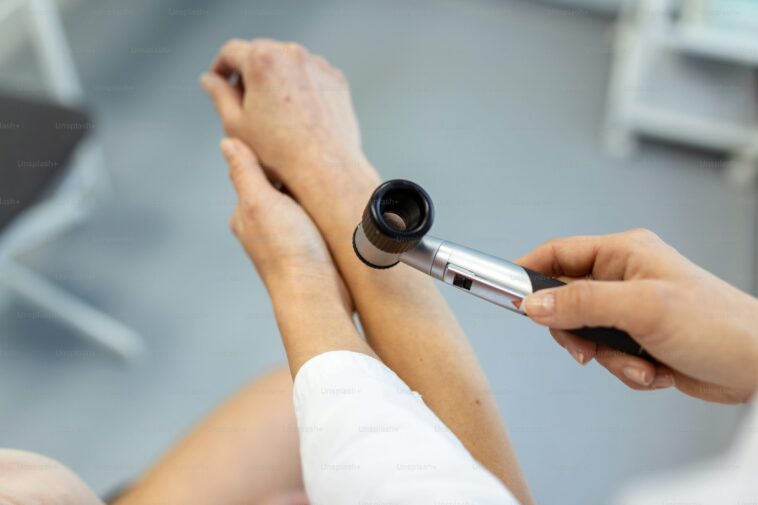
Hair loss is a common concern affecting millions of people worldwide, regardless of gender. While some level of hair thinning is a natural part of aging, for many, it can lead to a loss of self-confidence and self-esteem. Dermatology(طب الجلدية) plays a critical role in understanding, diagnosing, and treating hair loss conditions. Through various treatment options and advancements in technology, dermatologists are helping individuals restore their hair and regain their confidence. In this article, we explore how dermatology is at the forefront of hair restoration and hair loss treatments.
Understanding Hair Loss
Hair loss, or alopecia, can occur for various reasons, including genetic factors, hormonal imbalances, medical conditions, medications, and even stress. The most common type of hair loss is androgenic alopecia, also known as male-pattern or female-pattern baldness, which is largely genetic. Other conditions, such as telogen effluvium (temporary shedding) and alopecia areata (an autoimmune disorder), can also contribute to hair loss. Understanding the underlying cause of hair loss is essential in choosing the appropriate treatment. Dermatologists utilize a combination of patient history, physical exams, blood tests, and scalp biopsies to diagnose the cause of hair loss and recommend the best course of action.
Topical Treatments: The First Line of Defense
Topical treatments are often the first step in addressing hair loss, and dermatologists frequently recommend options like minoxidil. Minoxidil is an over-the-counter topical solution that is applied directly to the scalp. It works by stimulating hair follicles and promoting hair regrowth. Minoxidil is effective for both men and women, particularly those with early stages of hair thinning. Though it doesn’t cure hair loss, it can slow its progression and improve hair density when used consistently. Dermatologists can also suggest other topical treatments, such as corticosteroid creams, which help reduce inflammation and encourage hair regrowth in certain cases.
Oral Medications: Addressing the Root Causes
For individuals with more advanced hair loss, dermatologists may recommend oral medications to address hormonal imbalances or other underlying causes of hair thinning. One of the most common medications for male-pattern baldness is finasteride. This drug works by blocking the hormone dihydrotestosterone (DHT), which is responsible for shrinking hair follicles and accelerating hair loss. Finasteride can help prevent further hair loss and, in some cases, stimulate hair regrowth. For women, oral contraceptives or anti-androgens like spironolactone may be used to balance hormone levels and reduce hair loss caused by hormonal fluctuations.
Platelet-Rich Plasma (PRP) Therapy: A Cutting-Edge Treatment
Platelet-rich plasma (PRP) therapy is an innovative treatment that has gained popularity in dermatology for its effectiveness in promoting hair regrowth. PRP therapy involves drawing a small amount of the patient’s blood, processing it to concentrate the platelets, and then injecting the PRP into the scalp. The platelets contain growth factors that stimulate hair follicles, improve circulation, and encourage the growth of new hair. PRP is often used in combination with other treatments to enhance results. It has shown promise for individuals with androgenic alopecia and other types of hair loss, offering a non-surgical solution for hair restoration.
Hair Transplant Surgery: Permanent Results
For individuals with significant hair loss or bald patches, hair transplant surgery may be the most effective solution. In this procedure, hair follicles are harvested from a donor site (usually the back or sides of the scalp) and transplanted to areas experiencing thinning or baldness. Dermatologists typically offer two types of hair transplant techniques: follicular unit extraction (FUE) and follicular unit transplantation (FUT). Both methods involve transplanting healthy hair follicles to areas of the scalp where hair has thinned or disappeared. The procedure provides permanent results, as the transplanted hair continues to grow naturally in its new location.
Laser Therapy: Stimulating Hair Growth
Low-level laser therapy (LLLT) is a non-invasive treatment that uses light to stimulate hair follicles and encourage hair regrowth. LLLT devices, such as laser combs or helmets, emit red light that penetrates the scalp and promotes increased blood flow to the hair follicles. This process can help rejuvenate dormant follicles and encourage the growth of thicker, fuller hair. While LLLT is not a quick-fix solution, regular use can lead to noticeable improvements over time. Dermatologists may recommend this treatment as part of a comprehensive hair restoration plan, especially for individuals with early-stage hair loss.
Lifestyle Modifications: Supporting Hair Health
In addition to medical treatments, dermatologists emphasize the importance of a healthy lifestyle in promoting hair health. Proper nutrition plays a vital role in maintaining healthy hair growth. A diet rich in vitamins and minerals, such as iron, biotin, zinc, and vitamin D, can support hair follicles and prevent excessive shedding. Managing stress is another crucial factor, as chronic stress can exacerbate hair loss conditions like telogen effluvium. Dermatologists may suggest incorporating relaxation techniques, regular exercise, and a balanced diet to complement hair restoration treatments and improve overall hair health.
The Future of Hair Restoration
Advances in dermatology continue to expand the options available for individuals experiencing hair loss. Researchers are exploring new treatments, including stem cell therapy and gene therapy, which show promise in promoting hair regrowth and addressing the root causes of hair loss at a cellular level. As technology advances, dermatologists are better equipped to offer personalized, cutting-edge treatments that are tailored to an individual’s specific needs. The future of hair restoration looks promising, with ongoing research and innovation paving the way for even more effective and accessible treatments.
Conclusion: Restoring Confidence with Dermatology
Dermatology in Dubai(طب الجلدية في دبي) plays an essential role in addressing hair loss and offering effective solutions for individuals seeking to restore their hair. From topical treatments like minoxidil to innovative therapies like PRP and hair transplant surgery, dermatologists have a wide range of tools at their disposal to treat various types of hair loss. With advancements in technology and personalized care, the field of dermatology continues to evolve, providing individuals with the opportunity to regain their hair and confidence. By understanding the available options and seeking professional guidance, individuals can make informed decisions about their hair restoration journey.
This post was created with our nice and easy submission form. Create your post!