Zacefroninspire

Standard Operating Procedures (SOPs) are more than just internal documents—they’re the backbone of operational excellence. In today’s fast-paced, regulation-heavy business environment, SOPs help ensure that organizations maintain consistency, adhere to compliance standards, and deliver predictable, high-quality outcomes.
Understanding SOPs and Their Importance

What Are Standard Operating Procedures?
Standard Operating Procedures (SOPs) are written, step-by-step instructions that describe how to perform routine activities within an organization. They are designed to:
-
Reduce variability in processes
-
Improve employee accountability
-
Ensure regulatory compliance
-
Enhance process consistency across departments
Why Consistency and Compliance Matter
Consistency in execution ensures that every task is performed the same way every time, which is critical for:
-
Product and service quality
-
Operational efficiency
-
Customer satisfaction
Compliance, on the other hand, is essential to:
-
Avoid legal penalties and fines
-
Maintain certifications and industry credentials
-
Build trust with customers, investors, and partners
Who Benefits from SOPs?
-
Healthcare providers ensuring HIPAA or FDA compliance
-
Manufacturers standardizing production for ISO or OSHA
-
Financial institutions maintaining audit trails and risk controls
-
Startups and SMEs building scalable, repeatable systems
How SOPs Drive Organizational Excellence
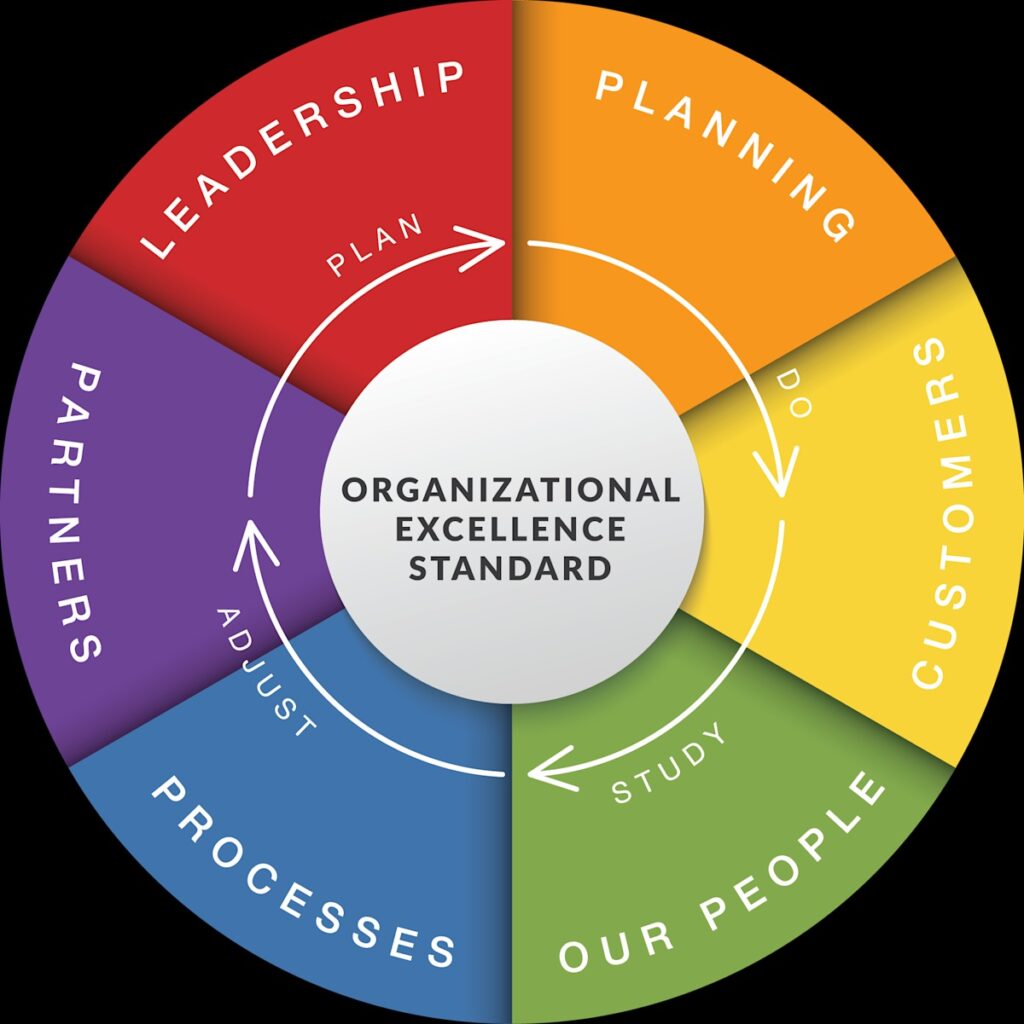
How SOPs Ensure Consistency
SOPs create a unified approach to work. No matter who is performing the task, the outcome is consistent, repeatable, and aligned with business goals. Benefits include:
-
Reduced training time
-
Fewer errors and miscommunications
-
Better team collaboration across departments
How SOPs Help Maintain Regulatory Compliance
SOPs serve as your first line of defense in audits and regulatory checks. They:
-
Document adherence to laws and standards (e.g., ISO, GDPR, FDA, OSHA)
-
Demonstrate proactive risk management
-
Provide evidence of controls and internal governance
Empowering Employees with Clear Guidelines
When employees understand how and why tasks are done a certain way, they become more engaged and accountable. SOPs also:
-
Reduce knowledge silos
-
Serve as onboarding tools
-
Offer step-by-step guidance for complex tasks
Implementing SOPs for Maximum Impact
How to Develop SOPs That Ensure Compliance and Consistency
-
Identify core processes that influence quality, safety, or compliance
-
Involve SMEs and stakeholders to define best practices
-
Use plain, actionable language to avoid misinterpretation
-
Include version history, scope, and responsibilities
-
Audit and update SOPs regularly to reflect changes in regulations or processes
Tools for SOP Documentation and Management
-
Trainual – Ideal for SMBs and startups
-
Process Street – For repeatable workflows and automation
-
Confluence/Notion – Collaboration-friendly and searchable
-
Document360 – Designed for internal knowledge bases
Metrics to Measure SOP Effectiveness
-
Compliance audit pass rates
-
Error and defect rates
-
Time-to-onboard new employees
-
Process execution time consistency
-
Employee adherence to procedures
Visit Website : https://essentialdata.com/standard-operating-procedures-sops/
FAQ
What is the purpose of an SOP?
The main purpose is to ensure that tasks are completed consistently, efficiently, and in compliance with regulations or company standards.
How do SOPs help with compliance?
SOPs provide documented proof that procedures are followed correctly, helping organizations meet legal, industry, and quality standards.
How often should SOPs be reviewed?
At least once per year or whenever there are changes in process, technology, or compliance requirements.
Who should create SOPs?
Ideally, subject matter experts (SMEs) in collaboration with compliance officers and operations teams.
What makes an SOP effective?
Clarity, relevance, accessibility, and continuous updates based on feedback and performance data.
Conclusion
SOPs are essential for achieving both operational consistency and regulatory compliance. They eliminate ambiguity, reduce risk, and empower employees to perform their jobs with confidence. Whether you’re scaling operations, preparing for an audit, or improving cross-functional processes, SOPs provide the structure you need to stay efficient and compliant.
Visit Knockinglive
This post was created with our nice and easy submission form. Create your post!