Muhammad muhammadmuaz
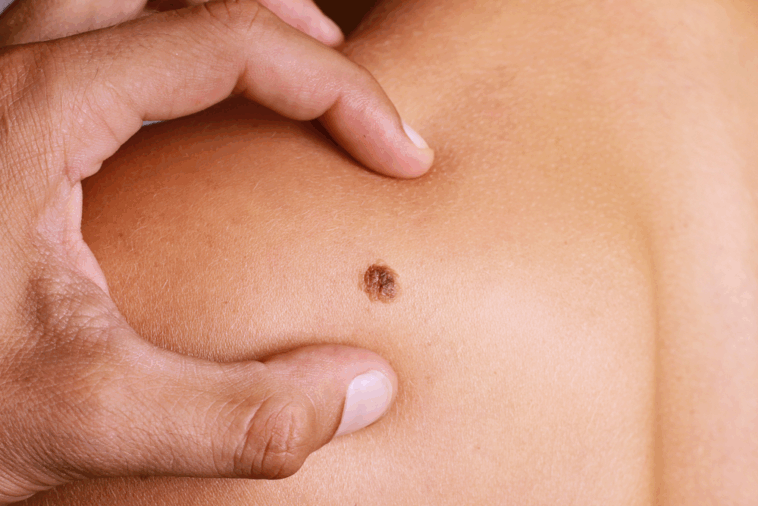
Moles are common skin growths that appear when pigment cells (melanocytes) grow in clusters. While most moles are harmless, many people choose to remove them for cosmetic or medical reasons. With the advancement of dermatological techniques, Mole Removal Treatments In Dubai and globally have become safer, faster, and more effective. However, as with any skin procedure, it’s essential to understand how these treatments affect the skin—both immediately after removal and in the long term.
Types of Mole Removal Treatments
Before diving into the effects, it’s important to understand the primary types of mole removal techniques:
Excision (Surgical Removal)
This involves cutting out the mole and stitching the skin closed. It is often used for larger moles or when there’s concern about malignancy.
Shave Excision
Here, the mole is shaved off the skin’s surface using a small blade. This is typically used for raised moles that do not penetrate deeply into the skin.
Laser Removal
Laser treatments use intense light to break down the pigment in the mole. This method is most suitable for flat, non-cancerous moles and for patients wanting minimal scarring.
Cryotherapy
Cryotherapy involves freezing the mole with liquid nitrogen, causing it to blister and fall off. It’s less commonly used for mole removal but can be effective for small, superficial lesions.
Electrosurgery
This method uses high-frequency electrical currents to cut through or burn the mole tissue, often followed by curettage (scraping the area).
Immediate Effects on the Skin After Mole Removal
Each technique affects the skin differently, but some immediate effects are common:
Redness and Swelling
After mole removal, the treated area typically becomes red and swollen. This is a natural inflammatory response and usually subsides within a few days.
Scabbing
Especially in surgical or shave excision, a scab may form as the skin begins to heal. It’s crucial not to pick at it to avoid infection or scarring.
Tenderness or Mild Pain
Mild discomfort is expected, particularly for deeper excisions. Over-the-counter pain relievers usually help manage this.
Possible Oozing
Clear fluid or a bit of blood might seep from the wound in the first day or two. Keeping the area clean and covered is vital.
Long-Term Skin Changes
Once the wound heals, the skin undergoes further changes. Here’s what to expect:
Scarring
Scarring depends on the removal method, mole size, and individual healing tendencies. Shave and laser methods often result in minimal scarring, while surgical excision may leave a linear scar.
Tips to Minimize Scars:
Keep the wound moisturized with petroleum jelly or silicone gel.
Avoid sun exposure during healing.
Don’t scratch or pick the healing skin.
Pigmentation Changes
Some people experience changes in skin color after mole removal:
Hyperpigmentation: Darkening of the skin, more common in darker skin tones.
Hypopigmentation: Light spots where the mole was removed.
Texture Differences
Even after full healing, the area may feel slightly different to the touch—either smoother or slightly indented. Over time, the skin may remodel itself, improving the texture.
Skin Care After Mole Removal
To ensure smooth healing and minimal scarring, follow these skin care tips:
Keep the Area Clean
Use mild soap and water to gently clean the wound. Pat dry with a clean towel.
Apply Healing Ointments
Topical treatments like petroleum jelly, antibiotic ointments, or silicone gels can support healing and reduce scarring.
Cover the Wound
Use a sterile bandage during the first few days to protect the wound from bacteria and friction.
Avoid Direct Sunlight
UV exposure can worsen pigmentation issues and delay healing. Apply sunscreen (SPF 30+) once the wound has closed.
Avoid Makeup and Harsh Products
Until the skin is fully healed, avoid applying makeup or exfoliating products on the area.
Final Thoughts
Mole removal treatments have advanced considerably, providing safe and efficient options for people seeking cosmetic or medical skin improvements. While these procedures do affect the skin—through temporary redness, scabbing, or even potential scarring—proper aftercare and realistic expectations ensure healthy healing and satisfactory results.
This post was created with our nice and easy submission form. Create your post!