aesthatic clinic
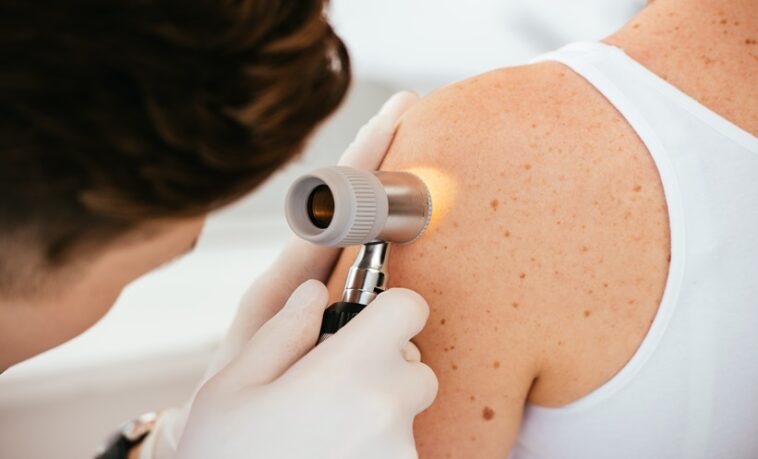
Dermoscopy is a non-invasive diagnostic tool that has revolutionized the way skin lesions, particularly moles, are evaluated. In Dubai, where the climate and lifestyle can increase exposure to UV radiation, Dermoscopy mole evaluation in Dubai has become an essential part of skin health management. This advanced technique allows dermatologists to examine moles with greater precision, ensuring early detection of potential issues and improving overall diagnostic accuracy.
What is Dermoscopy?
Understanding the Basics
Dermoscopy, also known as dermatoscopy, is a technique that uses a specialized device called a dermatoscope to magnify and illuminate the skin’s surface. This allows for a detailed examination of moles and other skin lesions that may not be visible to the naked eye.
How It Works
The dermatoscope captures high-resolution images of the skin, highlighting specific structures and patterns within the mole. These images are then analyzed to identify any irregularities or signs of concern.
-
Non-invasive and painless procedure.
-
Provides a magnified view of the skin’s surface.
-
Helps identify subtle changes in moles.
Why Choose Dermoscopy for Mole Evaluation?
Enhanced Diagnostic Accuracy
One of the primary advantages of Dermoscopy Mole Evaluation is its ability to improve diagnostic accuracy. Traditional visual inspections can miss early signs of skin abnormalities, but dermoscopy allows for a more thorough analysis.
Early Detection of Skin Issues
Early detection is crucial when it comes to skin health. Dermoscopy can identify potential problems at an early stage, enabling timely intervention and better outcomes.
Suitable for All Skin Types
Dermoscopy is effective for all skin types, making it a versatile tool for diverse populations, including residents of Dubai.
-
Reduces the need for unnecessary biopsies.
-
Detects early signs of skin abnormalities.
-
Suitable for individuals with varying skin tones.
The Process of Dermoscopy Mole Evaluation
Step-by-Step Procedure
-
Initial Consultation: A dermatologist assesses your skin and discusses any concerns.
-
Examination: The dermatoscope is used to examine the mole in detail.
-
Analysis: The captured images are analyzed for any irregularities.
-
Follow-Up: Based on the findings, the dermatologist recommends further steps if necessary.
What to Expect During the Procedure
The procedure is quick, painless, and requires no downtime. You can resume your daily activities immediately after the evaluation.
-
Quick and non-invasive.
-
No preparation or recovery time needed.
-
Provides immediate insights into mole characteristics.
Benefits of Dermoscopy Mole Evaluation
Improved Diagnostic Confidence
Dermoscopy provides dermatologists with a clearer view of the mole’s structure, reducing the likelihood of misdiagnosis.
Preventive Skin Care
Regular dermoscopy evaluations can help monitor changes in moles over time, promoting proactive skin health management.
Peace of Mind
For individuals concerned about their moles, dermoscopy offers reassurance by providing a detailed analysis of the lesion.
-
Reduces uncertainty in mole evaluation.
-
Encourages preventive skin care practices.
-
Offers reassurance to patients.
Who Should Consider Dermoscopy Mole Evaluation?
Individuals with Numerous Moles
People with a high number of moles are at a greater risk of developing skin issues. Regular dermoscopy evaluations can help monitor these moles effectively.
Those with a Family History of Skin Conditions
A family history of skin conditions may increase your risk. Dermoscopy can help detect potential problems early.
Sun Exposure and Lifestyle Factors
Living in sunny climates like Dubai increases UV exposure, making regular skin checks essential.
-
Recommended for individuals with multiple moles.
-
Beneficial for those with a family history of skin conditions.
-
Ideal for people living in sunny environments.
How Dermoscopy Compares to Traditional Methods
Visual Inspection vs. Dermoscopy
Traditional visual inspections rely on the naked eye, which can miss subtle changes. Dermoscopy, on the other hand, provides a magnified view, enhancing diagnostic accuracy.
Biopsy vs. Dermoscopy
While biopsies are invasive and require tissue removal, dermoscopy is non-invasive and provides immediate results.
-
More accurate than visual inspections.
-
Less invasive than biopsies.
-
Provides real-time analysis.
Conclusion
Dermoscopy Mole Evaluation is a powerful tool for maintaining skin health and ensuring early detection of potential issues. Its non-invasive nature, combined with its ability to provide detailed insights, makes it a preferred choice for individuals seeking accurate mole evaluations. Whether you have numerous moles, a family history of skin conditions, or simply want to stay proactive about your skin health, dermoscopy offers a reliable solution.
By understanding the benefits and process of dermoscopy, you can take the first step toward better skin health. Prioritize regular check-ups and consult a dermatologist to determine if dermoscopy is right for you.
This post was created with our nice and easy submission form. Create your post!