Khan Swati
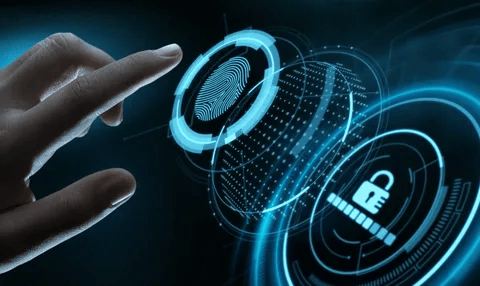
Biometric systems have revolutionized how we approach security and operational efficiency. By using unique physical and behavioral characteristics like fingerprints, facial recognition, or voice patterns, these systems provide unmatched accuracy and reliability. For the latest biometric solutions tailored for personal or business applications, visit a trusted Electronics Shop in Dubai. Biometrics have become essential in ensuring secure and streamlined operations.
This article explores the role of biometric systems in enhancing security and efficiency, their key features, and why they are indispensable in today’s fast-paced, technology-driven world.
Understanding Biometric Systems
Biometric systems operate on the principle of identifying individuals based on their unique biological traits. Unlike traditional methods of authentication, such as passwords or keys, biometrics rely on characteristics that are difficult to replicate or steal.
These systems typically involve three main processes: enrollment, where an individual’s biometric data is captured and stored; verification, where the system compares a live scan with stored data; and authentication, which grants or denies access based on the match.
The Importance of Security in Modern Settings
In an age where cyber threats and physical security breaches are increasingly common, businesses and individuals must adopt advanced security measures. Traditional security methods often fall short due to their susceptibility to theft, duplication, or hacking.
Biometric systems address these vulnerabilities by providing a robust layer of protection. Since biometric data is unique to each individual, it becomes nearly impossible for unauthorized persons to gain access, whether to physical spaces or digital systems.
How Biometric Systems Enhance Security
Biometric systems are designed to ensure the highest level of security by leveraging the uniqueness of human traits.
Elimination of Unauthorized Access
Biometric systems significantly reduce the risk of unauthorized access. For example, in workplaces, only employees with registered biometric credentials can enter restricted areas. This eliminates the risk of stolen or duplicated keys and passwords.
Improved Surveillance and Monitoring
Many biometric systems integrate with surveillance technologies to enhance monitoring capabilities. Facial recognition cameras, for instance, can identify individuals in real-time and alert security personnel about potential threats.
Strengthened Cybersecurity
In addition to physical security, biometric systems play a critical role in protecting digital assets. Two-factor authentication combining biometrics and passwords adds an extra layer of security to sensitive online accounts and systems.
Enhancing Efficiency with Biometric Systems
Beyond security, biometric systems contribute significantly to improving efficiency in various operations.
Streamlined Attendance Management
In workplaces, biometric systems eliminate the need for manual attendance tracking. Employees can clock in and out using fingerprint or facial scans, reducing administrative tasks and preventing time fraud.
Faster and Accurate Identification
Biometric systems process data quickly, allowing for instant verification and authentication. This speed is particularly beneficial in high-traffic areas like airports or large offices, where time is of the essence.
Reduced Administrative Costs
Automation through biometrics reduces reliance on traditional security measures, such as ID cards or passwords, which can be costly to replace or manage. By investing in biometric systems, businesses can cut down on long-term operational expenses.
Applications of Biometric Systems
Biometric systems are versatile and can be applied in numerous settings to improve both security and efficiency.
Corporate Environments
In offices, biometric systems ensure secure access to workspaces, monitor employee attendance and safeguard sensitive data. These systems also create an environment of accountability by tracking entry and exit times accurately.
Residential Use
For homes, biometric systems provide advanced security features like fingerprint-enabled door locks and facial recognition cameras. These systems enhance safety while offering the convenience of keyless access.
Healthcare Facilities
Hospitals and clinics use biometric systems to secure patient records and control access to restricted areas. By ensuring only authorized personnel can access sensitive information, biometrics contribute to improved privacy and compliance with regulations.
Educational Institutions
Schools and universities leverage biometric systems to monitor attendance, secure campuses, and manage access to laboratories or libraries. This technology enhances both safety and operational efficiency in educational settings.
Key Features of Advanced Biometric Systems
Modern biometric systems come equipped with a range of features designed to maximize their effectiveness.
Multi-Factor Authentication
Many systems combine biometric verification with other authentication methods, such as PIN codes or smart cards. This layered approach enhances security and minimizes the risk of breaches.
Scalability
Biometric systems are highly scalable, making them suitable for both small businesses and large enterprises. As needs grow, additional features or devices can be integrated without overhauling the existing setup.
Remote Access and Monitoring
Cloud-based biometric systems allow for remote access and monitoring. This feature is particularly useful for businesses with multiple locations, as administrators can oversee operations from a central dashboard.
The Future of Biometric Systems
As technology continues to evolve, biometric systems are expected to become even more sophisticated. Artificial intelligence and machine learning are being integrated into biometric technologies, enabling them to learn and adapt to new patterns.
In the future, we may see biometric systems that can identify individuals through behavioral traits, such as typing patterns or walking styles. These advancements will further enhance the security and efficiency offered by biometric systems.
Conclusion
Biometric systems are transforming the way we approach security and operational efficiency. By leveraging unique human traits, these systems provide unmatched reliability, eliminating the vulnerabilities associated with traditional methods. From corporate offices to homes, the applications of biometric technology are vast and impactful.
As biometric systems become more accessible and advanced, their adoption is set to grow across industries. Investing in this technology is not just about enhancing security; it’s about embracing a smarter, more efficient way of operating in today’s world.
This post was created with our nice and easy submission form. Create your post!