Dynamicclinic
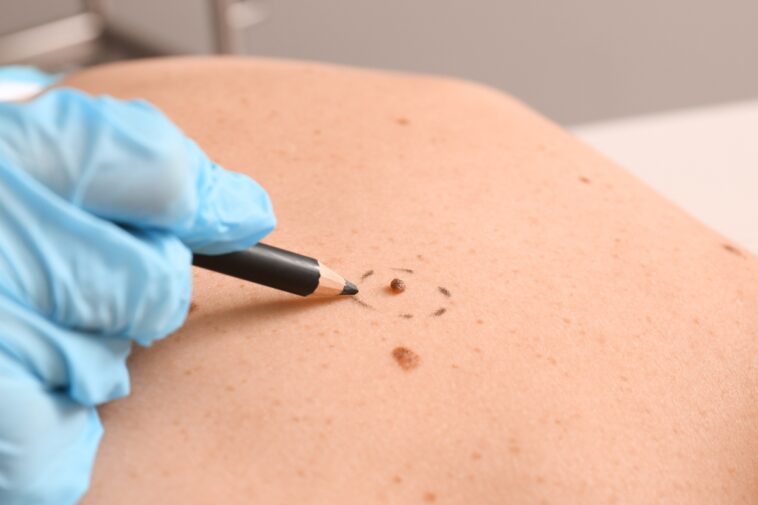
Moles, also known as nevi, are common skin growths that can vary in size, shape, and color. They typically appear during childhood or adolescence and can change as a person ages. Understanding how moles can change over time is crucial for monitoring skin health and identifying potential issues. Regular observation of moles can help individuals recognize changes that may indicate the need for further evaluation by a Dermoscopy Mole Evaluation in Dubai.
Factors Influencing Changes in Moles
Several factors can influence how moles change over time. Genetics play a significant role; individuals with a family history of skin cancer or atypical moles may experience more noticeable changes. Sun exposure is another critical factor, as ultraviolet (UV) radiation can cause moles to darken or develop irregular borders. Hormonal changes, such as those occurring during puberty or pregnancy, can also lead to alterations in mole appearance.
Recognizing Signs of Change
It’s essential to be vigilant about any changes in moles. Key signs to watch for include changes in size, shape, or color. A mole that becomes larger than a pencil eraser, develops an irregular edge, or exhibits multiple colors should be evaluated by a healthcare professional. Additionally, any mole that itches, bleeds, or crusts over warrants immediate attention. Early detection is vital for effective treatment if any issues arise.
The Role of Dermoscopy in Skin Monitoring
Dermoscopy is a non-invasive technique that allows dermatologists to examine moles and other skin lesions in detail. This method enhances the visualization of skin structures and patterns that are not visible to the naked eye. By using a dermatoscope, dermatologists can better assess moles for any concerning features, aiding in early detection of skin cancer. This tool has become invaluable in dermatological practice, improving diagnosis and patient outcomes.
Benefits of Early Detection
The primary benefit of monitoring moles and recognizing changes early is the potential for early diagnosis of skin cancer, particularly melanoma. When detected early, melanoma has a high cure rate, making it crucial for individuals to stay informed about their skin health. Regular skin checks can lead to timely interventions, reducing the risk of advanced disease and improving overall prognosis. Awareness and proactive monitoring can save lives.
FAQs
What are the common changes seen in moles?
Common changes in moles include variations in size, shape, color, and texture. Moles may also become raised or develop irregular borders.
How can I monitor my moles effectively?
Regularly examine your moles at home using a mirror or seek assistance from someone else. Take photos to track changes over time.
When should I see a dermatologist about my moles?
You should consult a dermatologist if you notice any changes in size, shape, color, or if the mole itches, bleeds, or becomes painful.
Can moles disappear over time?
Yes, some moles can fade or disappear as a person ages, especially those that are flat and lighter in color.
Does sun exposure affect moles?
Yes, excessive sun exposure can cause moles to darken, change in appearance, or increase in number, highlighting the importance of sun protection.
Conclusion
Monitoring moles for changes is a vital aspect of skin health. Understanding the factors that influence these changes, recognizing warning signs, and utilizing tools like dermoscopy can aid in early detection of potential issues. By staying vigilant and proactive, individuals can significantly enhance their chances of identifying skin cancer early, leading to better health outcomes. Regular skin checks and consultations with dermatologists are essential steps in maintaining skin health and ensuring peace of mind.
This post was created with our nice and easy submission form. Create your post!