Dynamicclinic
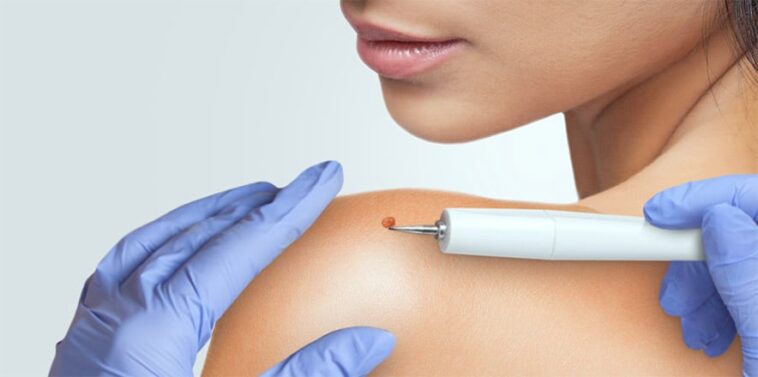
Dermoscopy, also known as dermatoscopy, is a non-invasive imaging technique that dermatologists use to examine skin lesions. It employs a handheld device with a magnifying lens and a light source, allowing doctors to observe skin structures in detail. This method enhances the visual assessment of skin conditions, leading to better diagnosis and management of various dermatological issues. By capturing the detailed features of a skin lesion, Dermoscopy Mole Evaluation in Dubai can significantly aid in identifying changes that may indicate the presence of skin cancers or other skin disorders.
The Importance of Early Detection
Early detection of skin changes is crucial in reducing the risk of developing serious conditions, especially skin cancers like melanoma. Dermoscopy provides a clearer view of the skin, helping experts discern between benign and malignant growths. Traditional visual examinations may miss subtle cues that dermoscopy can reveal, such as asymmetry, irregular borders, or color variations in moles. By utilizing this advanced tool, dermatologists can monitor existing moles or spots over time, identifying any concerning transformations that might warrant further investigation.
Benefits of Dermoscopy in Monitoring Skin Changes
Dermoscopy offers numerous benefits in tracking skin changes. First, it allows for precise monitoring; dermatologists can take digital images of lesions over time, comparing them to identify any new developments. This method proves especially helpful for patients with a history of skin cancer or those with multiple moles. Second, dermoscopy can reduce the need for unnecessary biopsies. By closely evaluating the skin’s patterns, dermatologists can often make informed decisions about whether a lesion requires further pathological examination, thus minimizing patient anxiety and discomfort.
Enhancing Diagnostic Accuracy
Integrating dermoscopy into dermatological practice enhances diagnostic accuracy significantly. Studies have shown that dermatologists can increase their diagnostic confidence and decrease the rate of misdiagnoses when utilizing dermoscopy. By providing a detailed visualization of skin structures, dermoscopy helps clinicians differentiate between similar-looking lesions, such as benign nevi and malignant melanoma. This enhanced accuracy not only promotes timely treatment but also fosters a deeper understanding of individual skin types and conditions.
Limitations of Dermoscopy
While dermoscopy is a powerful tool in skin examination, it is not without limitations. The technique requires specialized training to interpret the images accurately, as misinterpretation can lead to misdiagnosis. Furthermore, dermoscopy may not be applicable in all situations, such as in very darkly pigmented skin, where visualization can be challenging. Thus, it’s essential for practitioners to combine dermoscopy results with their clinical judgment and perform a thorough physical examination when assessing skin changes.
FAQs
Can dermoscopy replace biopsies?
Dermoscopy cannot entirely replace biopsies but can help reduce unnecessary ones by providing more accurate assessments of skin lesions.
How often should dermoscopy be performed?
The frequency of dermoscopy depends on individual risk factors, but generally, it is recommended annually for those with a history of skin cancer or numerous moles.
Is dermoscopy safe for all skin types?
Yes, dermoscopy is a safe and effective technique for all skin types, although results may vary for very darkly pigmented skin.
Do I need to prepare for a dermoscopy?
No special preparation is required for dermoscopy. However, it’s best to avoid using skin creams or lotions on the area being examined.
What should I do if I notice changes in my skin?
If you observe any changes in your skin, it’s important to consult a dermatologist as soon as possible for a detailed evaluation.
Conclusion
In summary, dermoscopy is a valuable diagnostic tool in dermatology that can effectively detect changes in skin lesions. Its advantages include enhanced diagnostic accuracy, early detection, and reduced need for invasive procedures, which ultimately lead to better patient outcomes. As dermatologists become more proficient in this technique, the potential for improving skin health and managing conditions effectively continues to grow. Regular examinations with dermoscopy can be an essential component of proactive skincare and disease prevention.
This post was created with our nice and easy submission form. Create your post!