Arslan Yousaf
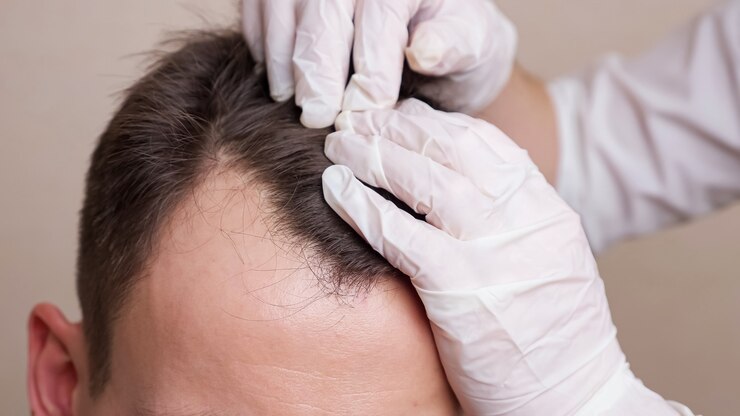
Hair transplant surgery is an increasingly popular procedure that many individuals turn to to restore hair loss and regain their confidence. Whether it’s due to genetic factors, aging, or other causes of hair thinning, the idea of undergoing surgery can raise several questions, particularly about the level of pain or discomfort involved. One of the most common concerns for prospective patients is whether hair transplant surgery hurts during the procedure. While pain is often associated with surgeries, the nature of hair transplants—along with modern techniques and advancements—offers a much more comfortable experience than many might expect. In Hair Transplants in Ajman, for instance, the process follows similar protocols found in clinics worldwide, but local anesthesia ensures that patients remain comfortable during the procedure.
Understanding Hair Transplants: A Brief Overview
Hair transplant surgery involves removing hair follicles from a donor area on the patient’s scalp (or sometimes another part of the body) and transplanting them into areas where hair growth is sparse or nonexistent. There are two main types of hair transplant procedures: Follicular Unit Transplantation (FUT) and Follicular Unit Extraction (FUE). Both methods involve the relocation of healthy hair follicles to the areas that need restoration, but the procedures differ in how the hair follicles are extracted and implanted.
Is Hair Transplant Surgery Painful?
When considering whether a hair transplant hurts during the procedure, it’s essential to break the process into stages to understand what to expect. From preparation to recovery, various factors come into play regarding pain perception.
The Use of Anesthesia:
The key factor that minimizes pain during hair transplant surgery is the use of local anesthesia. Before the procedure, the surgeon will inject a local anesthetic into the areas of the scalp that will be involved in both the extraction and implantation of hair follicles. This anesthetic ensures that the patient remains completely numb in the treated regions, rendering the procedure largely painless.
Follicular Unit Extraction (FUE):
For those undergoing FUE, a technique in which individual hair follicles are harvested from the scalp, the procedure itself is relatively comfortable. After the donor area is numbed, the surgeon uses a specialized instrument to extract each follicular unit, which is often described as a small, precise punch. Although patients may feel a bit of pressure during the extraction process, the absence of pain makes the procedure well-tolerated.
Follicular Unit Transplantation (FUT):
In the case of FUT, which involves removing a strip of scalp from the donor area and dividing it into smaller grafts, the process begins with a larger area of the scalp being numbed. During the strip removal, the patient will not experience pain, but they may feel mild stretching or pressure.
Duration of the Procedure:
Hair transplant surgery can take several hours, depending on the number of grafts being transplanted. The procedure can range from 4 to 8 hours or more, but thanks to the anesthesia, patients remain relaxed and pain-free during the process. Surgeons often allow patients to listen to music, watch movies, or even take short breaks to ensure their comfort throughout the procedure.
Post-Operative Discomfort:
While the procedure itself is designed to be pain-free due to anesthesia, the recovery period can bring about some discomfort. Most patients experience mild pain, swelling, or tightness in the scalp after the procedure. This is normal and typically managed with over-the-counter pain medications or prescribed treatments.
The Role of the Surgeon:
One of the biggest factors that can influence a patient’s experience during a hair transplant is the skill of the surgeon. A highly experienced and skilled surgeon will ensure that the process is as comfortable as possible by using the latest techniques, maintaining a calm and steady pace throughout the surgery, and managing the anesthetic effectively. The precision and care provided by the surgeon help minimize the risk of complications and discomfort during the procedure.
Managing Pain and Discomfort:
Follow Post-Operative Instructions: Adhering to the surgeon’s instructions is key to minimizing pain and ensuring a smooth recovery. This includes guidelines on washing the hair, avoiding certain activities, and keeping the scalp protected.
Use Medications as Prescribed: Whether it’s pain relievers, antibiotics, or anti-inflammatory medications, taking the prescribed medications can help alleviate discomfort and reduce the risk of complications.
Rest and Elevate Your Head: Keeping your head elevated during the first few nights after the procedure can help reduce swelling and minimize discomfort.
Avoid Scratching: While the scalp might feel itchy as it heals, it’s important to avoid scratching the area to prevent irritation or infection.
Stay Hydrated and Eat Healthily: A well-balanced diet and adequate hydration support the body’s healing process, which can help reduce discomfort and promote quicker recovery.
Conclusion
In conclusion, while hair transplant surgery may sound intimidating, the procedure itself is typically not painful due to the use of local anesthesia. The majority of discomfort is limited to the brief moment when the anesthesia is administered, and after that, patients experience little to no pain during the surgery. Post-operative discomfort is mild and can be managed effectively with medications and proper care.
This post was created with our nice and easy submission form. Create your post!