Redcliffelabs11
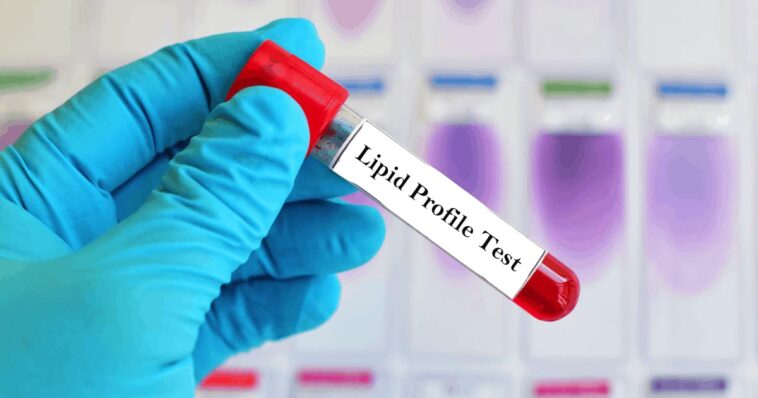
The Lipid Profile Test is a crucial diagnostic tool for assessing your cardiovascular health. It measures the levels of various lipids or fats in the blood, such as cholesterol and triglycerides. These fats play a vital role in bodily functions, but imbalances can lead to heart disease. This article explores the significance, procedure, and benefits of the Lipid Profile Test in detail.
What is a Lipid Profile Test?
The Lipid Profile Test evaluates the levels of specific lipids in the blood. It includes measurements of:
-
Total Cholesterol
- Indicates overall cholesterol levels.
-
Low-Density Lipoprotein (LDL)
- Known as “bad cholesterol”; high levels can lead to artery blockages.
-
High-Density Lipoprotein (HDL)
- Referred to as “good cholesterol”; helps remove excess cholesterol.
-
Triglycerides
- A type of fat used for energy; high levels increase heart disease risk.
-
Very Low-Density Lipoprotein (VLDL)
- Carries triglycerides in the blood; a contributor to artery plaque formation.
Why is the Lipid Profile Test Important?
-
Heart Disease Prevention
- High cholesterol levels are a major risk factor for heart attacks and strokes.
-
Early Detection of Disorders
- Identifies lipid imbalances before symptoms arise.
-
Monitoring Treatment
- Helps track the effectiveness of cholesterol-lowering medications or lifestyle changes.
-
Diabetes Management
- People with diabetes often have abnormal lipid levels, increasing their cardiovascular risk.
Who Should Take the Lipid Profile Test?
-
Individuals Over 40
- Regular testing is recommended for adults aged 40 and above.
-
People with a Family History of Heart Disease
- Genetics play a significant role in cholesterol levels.
-
Diabetes Patients
- Diabetes can exacerbate lipid imbalances.
-
Individuals with Obesity
- Excess body fat often correlates with abnormal lipid levels.
-
Smokers and Alcohol Consumers
- These habits can negatively impact cholesterol and triglycerides.
Symptoms Indicating the Need for a Lipid Profile Test
- Frequent chest pain
- Unexplained fatigue
- Shortness of breath
- Obesity or rapid weight gain
- High blood pressure
Preparation for the Lipid Profile Test
-
Fasting Requirements
- Most labs recommend fasting for 9-12 hours before the test.
-
Avoid Alcohol
- Alcohol can affect triglyceride levels, so avoid it for 24 hours.
-
Inform Your Doctor About Medications
- Certain drugs may interfere with test results.
-
Stay Hydrated
- Drink water to make the blood draw easier.
Procedure for the Lipid Profile Test
-
Sample Collection
- A small blood sample is drawn from a vein in your arm.
-
Laboratory Analysis
- The sample is sent to a lab for analysis.
-
Quick and Simple
- The procedure is straightforward and usually completed in a few minutes.
-
Report Availability
- Results are typically available within 24 hours.
Interpreting Lipid Profile Results
-
Normal Ranges
- Total Cholesterol: Less than 200 mg/dL
- LDL: Less than 100 mg/dL
- HDL: 40 mg/dL or higher
- Triglycerides: Less than 150 mg/dL
-
Abnormal Levels
- High LDL or triglycerides and low HDL indicate increased cardiovascular risk.
-
Consultation Required
- Discuss abnormal results with your doctor for further guidance.
Risk Factors for Lipid Imbalances
-
Unhealthy Diet
- High consumption of saturated fats and trans fats.
-
Sedentary Lifestyle
- Lack of physical activity raises LDL and lowers HDL.
-
Obesity
- Increases triglycerides and decreases HDL.
-
Smoking
- Lowers HDL and damages blood vessels.
-
Medical Conditions
- Conditions like hypothyroidism and diabetes can contribute to abnormal lipid levels.
Treatment for Abnormal Lipid Levels
-
Lifestyle Changes
- Adopt a balanced diet rich in fruits, vegetables, and whole grains.
- Exercise regularly to improve cholesterol levels.
-
Medications
- Statins are commonly prescribed to lower LDL.
- Niacin and fibrates may be recommended for managing triglycerides and HDL.
-
Regular Monitoring
- Follow-up testing ensures the effectiveness of treatment.
Benefits of the Lipid Profile Test
-
Prevents Heart Disease
- Early detection reduces the risk of life-threatening conditions.
-
Improves Overall Health
- Balanced lipid levels promote better cardiovascular and metabolic health.
-
Aids in Personalized Treatment
- Helps doctors tailor medication and lifestyle plans.
-
Tracks Progress
- Ensures that lifestyle or medical interventions are working effectively.
Cost of the Lipid Profile Test
The cost of a Lipid Profile Test varies depending on the laboratory and location. On average, it ranges from ₹500 to ₹1,500. Some labs offer home collection services for added convenience.
FAQs About the Lipid Profile Test
1. Is the test painful?
No, it involves a simple blood draw that is minimally uncomfortable.
2. How often should I take the test?
Every 1-2 years for healthy individuals, and more frequently for high-risk patients.
3. Can diet affect test results?
Yes, what you eat in the days leading up to the test can influence your lipid levels.
4. Is fasting mandatory?
Fasting is generally required, but non-fasting tests are also available in some cases.
5. Can children take this test?
Yes, it is recommended for children with a family history of high cholesterol.
Conclusion
The Lipid Profile Test is essential for maintaining heart health and preventing serious diseases. Regular testing helps identify and manage lipid imbalances effectively. Whether you’re at risk or just being cautious, this test is a vital step toward better health. Make it a part of your routine checkups and take control of your cardiovascular well-being.
This post was created with our nice and easy submission form. Create your post!